
Buying a home in Southern Maryland is exciting, but homeownership also comes with responsibilities. One of the biggest concerns for buyers is what happens when an expensive appliance or major home system breaks down shortly after moving in.
A Southern Maryland home warranty may help with certain repair or replacement expenses, but is it actually worth the cost?
The answer depends on the home's condition, the warranty's coverage, and your financial situation. Whether you're buying in St. Mary's, Calvert, or Charles County, understanding how home warranties work can help you make a more informed decision before closing.
What Is a Home Warranty and How Does It Work?
A home warranty is a service contract that may help pay for repairs or replacements of certain household appliances and mechanical systems when they break down from covered causes.
Unlike homeowners insurance, which generally protects against specified property losses, a home warranty typically focuses on mechanical failures and normal wear and tear, subject to the contract's terms.
According to the Federal Trade Commission's guidance on home warranties, these contracts vary in coverage, cost, exclusions, and claims procedures.
Here's how the process generally works:
-
Purchase a warranty plan: The buyer, seller, or homeowner pays for coverage for a specified period, often one year.
-
A covered item breaks down: For example, an air conditioning system stops working.
-
Submit a service request: Contact the warranty provider according to the contract's claims procedures.
-
Pay the applicable service fee: Many plans charge a fee when a technician is dispatched.
-
Receive a coverage determination: The provider evaluates the problem and determines whether the contract covers the repair or replacement.
It's important to understand that a home warranty does not guarantee every breakdown will be covered.
What Does a Home Warranty Typically Cover?

Coverage varies significantly between providers. Some plans focus on appliances, others cover major home systems, and comprehensive plans may include both.
Commonly Covered Home Systems and Appliances
Depending on the contract, coverage may include:
-
Heating and air conditioning systems
-
Electrical systems
-
Interior plumbing
-
Water heaters
-
Refrigerators
-
Dishwashers
-
Not every plan includes all these items. Some appliances or components may require upgraded coverage.
Ovens and ranges
For example, a basic warranty might include a home's heating system but exclude certain parts, accessories, or specialized equipment.
Common Exclusions and Coverage Limits
Before purchasing coverage, pay close attention to exclusions.
Common restrictions may involve:
-
Problems that existed before coverage began
-
Improper installation or previous repairs
-
Failure to perform required maintenance
-
Cosmetic damage
-
Structural components such as foundations or roofing, unless specifically included
-
Repairs exceeding the contract's coverage limits
-
Equipment or components not expressly listed
For buyers considering homes in Hollywood, Lusby, or La Plata, it is also worth checking whether the property has systems that require specialized coverage.
For example, some Southern Maryland properties use private wells or septic systems. A standard home warranty may not include well pumps, septic pumps, or related equipment unless optional coverage is purchased.
Buyer tip: Request a complete sample contract before paying for a warranty. A marketing brochure is not a substitute for reviewing the actual coverage terms.
Home Warranty vs. Homeowners Insurance vs. Home Inspection
These three products or services serve different purposes, and homebuyers should understand the distinction.
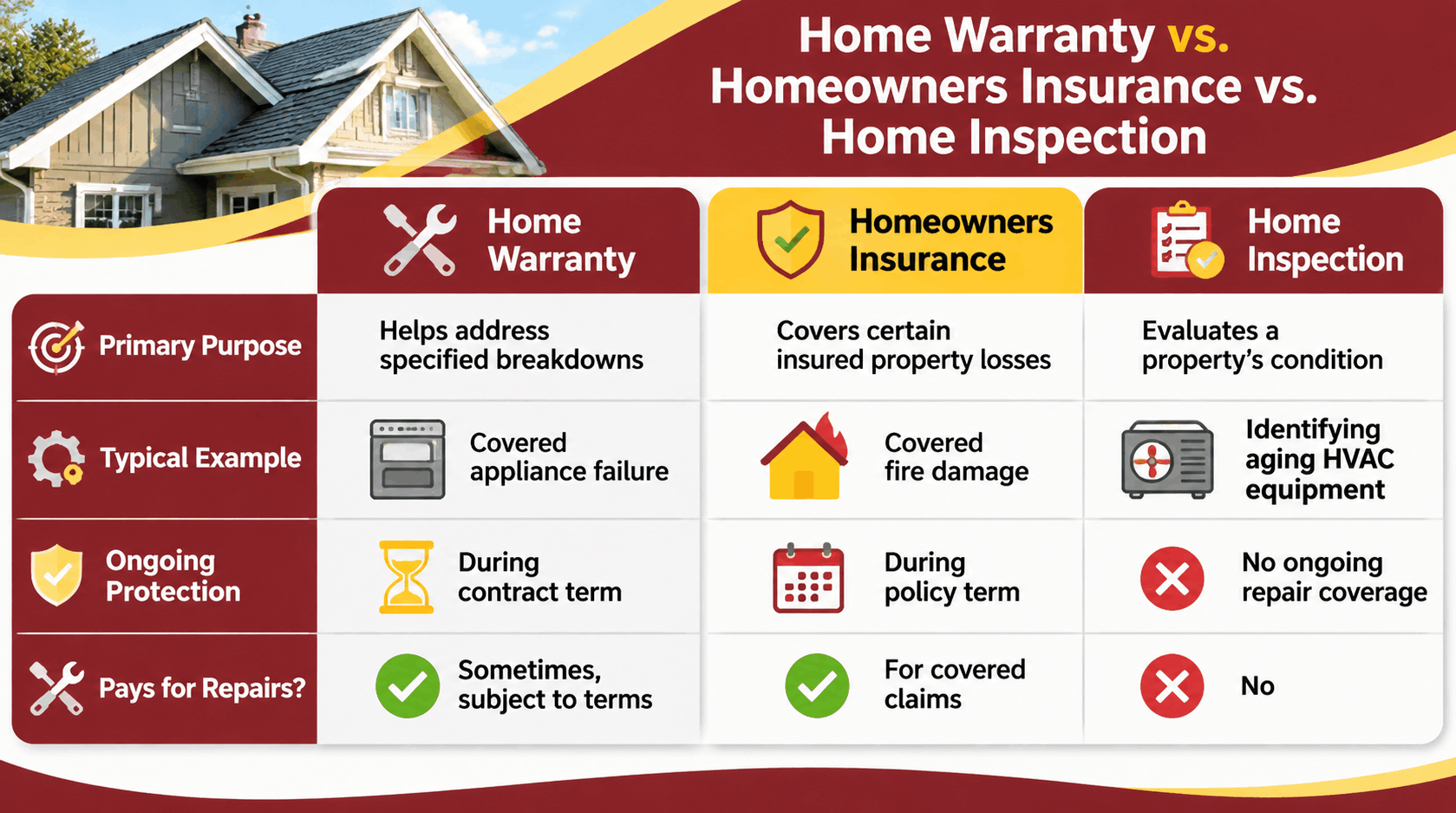
A home warranty does not replace homeowners insurance, and neither replaces a professional home inspection.
For example, suppose a home inspector identifies an aging air conditioning system before closing.
Purchasing a home warranty does not automatically mean the provider will replace that system if it fails. The contract may exclude pre-existing problems, require maintenance documentation, or limit reimbursement.
A home inspection helps buyers understand the property's condition before committing to the purchase. A home warranty is a separate decision about how to handle certain future expenses.
This distinction is especially useful when buying your first home, since buyers may be evaluating several unfamiliar costs at once.
How Much Does a Home Warranty Cost in Southern Maryland?

Home warranty pricing depends on the provider, coverage level, property characteristics, and optional protections.
Rather than relying on national averages, Southern Maryland buyers should request actual quotes for the property they are considering.
The total cost can include several components:
-
Plan premium: The amount paid for coverage.
-
Service-call fee: The charge associated with a repair request.
-
Optional coverage: Additional protection for equipment excluded from the standard plan.
-
Uncovered expenses: Repairs, components, or labor charges outside the contract.
-
Coverage limits: Maximum amounts the provider will pay for certain claims.
Example: Understanding the Real Cost
Consider a hypothetical warranty with the following charges.
ILLUSTRATIVE EXAMPLE, NOT A LOCAL PRICE QUOTE
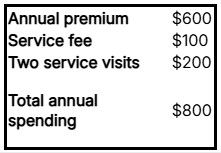
Assumes two separately charged service visits, no optional coverage, and no additional uncovered costs.
If the provider pays $1,500 toward approved repairs, the homeowner receives more in covered repair benefits than the $800 spent.
However, if the warranty pays only $250 toward approved repairs, the homeowner has spent substantially more than the value received that year.
These examples demonstrate why the lowest premium does not necessarily mean the best value.
The FTC also recommends considering service fees, coverage restrictions, and alternatives to service contracts.
Is a Home Warranty Worth It for Southern Maryland Homebuyers?
A home warranty can be worthwhile in certain circumstances, but it isn't automatically a good investment for every buyer.
The decision should begin with the actual property and the buyer's financial priorities.
When a Home Warranty May Be Worth Considering
A warranty may be useful when:
-
The property has older mechanical systems that are still functioning.
-
Several covered appliances are approaching the later stages of their expected service lives.
-
The buyer wants some protection against qualifying unexpected repair expenses.
-
The contract offers meaningful coverage limits and reasonable service fees.
-
The provider has dependable contractors available in the property's area.
For someone purchasing an existing home in Southern Maryland, a warranty may provide an additional way to manage certain first-year expenses.
However, the age of an appliance alone does not guarantee that a future failure will qualify for coverage.
When a Home Warranty May Not Be Worth the Cost
A warranty may offer less value when:
-
Major appliances and systems already have manufacturer coverage.
-
The home has recently installed equipment with documented warranties.
-
The contract excludes the systems most likely to need attention.
-
Coverage limits are low compared with potential repair expenses.
-
The buyer has sufficient savings and prefers to select repair contractors independently.
Some buyers may prefer to put the amount they would spend on a warranty into a dedicated home maintenance fund.
That money can then be used for repairs without going through a warranty provider's claims process, although savings alone do not eliminate the risk of a large unexpected expense.
Consider the Property's Actual Systems
Southern Maryland includes a wide variety of properties, from established neighborhoods to waterfront homes and more rural residences.
A warranty that works well for one property may be a poor match for another.
Before deciding, identify the home's major systems, review available maintenance records, and consider whether specialized equipment is included.
For example, if a property relies on a private well, confirming whether the well pump is covered may be more useful than purchasing additional protection for an appliance that already has a manufacturer warranty.
Can You Ask the Seller to Pay for a Home Warranty?
Yes. In some real estate transactions, buyers may request that the seller purchase a home warranty as part of the negotiated agreement.
A seller might agree to provide a warranty for a specified period, often beginning around closing, depending on the provider's terms.
However, seller-paid coverage is not automatic, and the parties must agree to the arrangement.
A home warranty can be one consideration during negotiations, alongside property condition, inspection findings, closing costs, and other contract terms.
Buyers should keep several things in mind:
-
A seller-paid warranty does not mean every system is protected.
-
The buyer should review the provider and coverage before accepting the plan.
-
Known defects should be evaluated directly rather than assuming a warranty will resolve them.
-
Any negotiated warranty arrangement should be clearly documented in the purchase agreement.
A warranty should not be treated as a substitute for necessary inspections or appropriate repair negotiations.
For buyers reviewing Southern Maryland homes for sale, the better approach is to evaluate the property's condition first, then decide whether warranty coverage adds meaningful value.
What Should Buyers Check Before Choosing a Home Warranty?
Before purchasing a plan or accepting seller-paid coverage, use this checklist to compare your options.
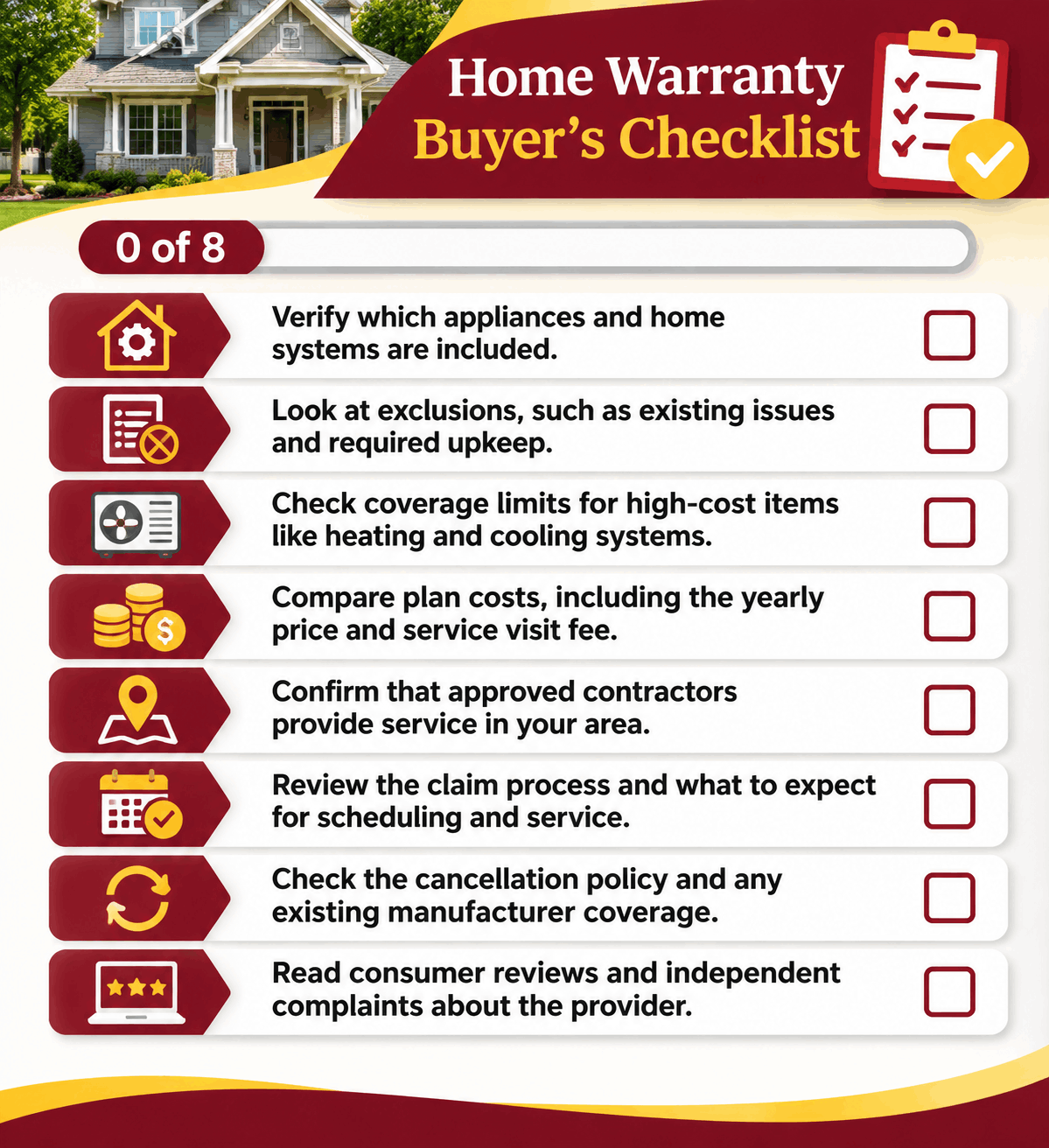
Maryland also provides consumer guidance about service contracts. The Maryland Department of Labor's service contract information explains written contract requirements, disclosures, claims procedures, and cancellation provisions for contracts covered by the applicable law.
If you're uncertain about your legal rights under a particular agreement, consult an appropriate Maryland legal professional.
The most important takeaway is simple: buy coverage based on the written contract, not the sales pitch.
A home warranty may provide value, but only when its coverage matches the property's needs and the buyer understands the costs and limitations.
Frequently Asked Questions
Place this section after the buyer checklist in the published article.
Do I need a home warranty when buying a house in Maryland?
A home warranty is generally optional when purchasing an existing home in Maryland. Whether it is worth buying depends on the home's systems, your repair budget, and the contract's coverage. It should not replace homeowners insurance or a professional home inspection.
Can I buy a home warranty after closing?
Yes. Many providers offer home warranty plans to existing homeowners, although waiting periods, eligibility requirements, and exclusions may apply. Compare the terms before purchasing.
Will a home warranty replace an old HVAC system?
Not necessarily. A provider may approve a repair, replacement, limited payment, or deny coverage depending on the contract and the cause of failure. The system's age alone does not guarantee replacement.
Does a home warranty cover well pumps or septic systems?
Some providers offer optional coverage for well pumps, septic pumps, or related equipment. Coverage may be limited to specific components, so buyers should verify exactly what is included.
Can a seller pay for a buyer's home warranty?
Yes. Buyers and sellers may negotiate a seller-paid home warranty as part of the purchase agreement. The arrangement depends on the agreed contract terms and the warranty provider's requirements.
Buying a Home in Southern Maryland?
Understanding a property's condition, future maintenance needs, and potential expenses is an important part of making a confident home purchase.
The Southside Group Real Estate helps buyers navigate the homebuying process throughout St. Mary's, Calvert, and Charles counties.
Whether you're comparing homes or preparing to make an offer, start by exploring available Southern Maryland homes and identifying the property features that matter most to you.
FROM OUR BLOG


Calvert County Events This Weekend | November 19–22, 2026
Calvert County events this weekend offer a wonderful mix of family-friendly activities, waterfront gatherings, hands-on workshops, holiday shopping, and local entertainment. From Thursday, November 19, through Sunday, November 22, 2026, communities throughout Southern Maryland have plenty of opportu

What Happens If a Home Appraisal Comes in Low?
You have found a home, negotiated a purchase price, and started working toward closing. Then the appraisal comes back lower than the amount you agreed to pay. Suddenly, the transaction may need another round of negotiations. A low home appraisal in Southern Maryland can affect buyers and sellers thr

Charles County Events This Weekend | November 19–22, 2026
Charles County events this weekend offer plenty of opportunities to connect with the community, enjoy local entertainment, discover holiday shopping, and explore activities throughout Southern Maryland. From November 19–22, 2026, residents and visitors can find networking gatherings, live performanc