
Imagine waking up in a home that has been designed to meet all of your requirements with every detail, from the layout to the light fixtures, reflecting your unique taste and lifestyle. For many, the thought of a custom-built house is a lifelong goal, and in Southern Maryland, that desire may become a breathtaking reality. This guide serves to help you understand the complex but rewarding process of building your ideal home in this beautiful place of residence, known for its combination of seaside beauty and rich historical appeal.
Southern Maryland's Custom Home Building Appeal
The ability to customize in a Stunning Location
Designing your own home in Southern Maryland is a fantastic opportunity. You get to create a special place that fits your style and preferences perfectly. Southern Maryland is full of beautiful neighborhoods and stunning views, making it the ideal location for your dream home.
Step-By-Step Overview of the Custom Home Building Process
Creating your dream home in Southern Maryland is an exciting journey with many steps. From the initial planning to the day you move in, building a custom home involves various stages. We'll guide you through each step, making the process clear and manageable.
Choosing the Right Location: Key Considerations
Finding the Right Land
Discovering the ideal plot of land for your custom home in Southern Maryland involves considering several key factors. Begin by ensuring land availability in your desired location, mindful of zoning regulations to avoid legal complications. Proximity to essential amenities such as schools, workplaces, and recreational areas is crucial for convenience. Additionally, factor in the charm of nearby attractions like parks and waterfronts, which can enrich your daily life. Stay informed about future development plans in the area to anticipate potential changes and ensure your investment aligns with your long-term vision. By carefully evaluating these elements, you can make an informed decision that lays the foundation for your dream home in Southern Maryland.
Considering the Environment and Access
In the process of constructing a new home, it's imperative to consider its impact on the environment and its accessibility to key destinations such as workplaces, schools, and healthcare facilities. In Southern Maryland, renowned for its stunning conservation areas and abundant waterways, this consideration takes on heightened significance. Designing homes with meticulous attention to environmental preservation and integration into the natural landscape is essential. Moreover, ensuring convenient access to vital amenities ensures a comfortable and sustainable living experience for residents.
Designing Your Dream Home
Embracing Your Vision
Your dreams and desires are at the heart of the design process. Begin by exploring your vision and style preferences, then prioritize functionality to ensure everyday practicality. Collaborate closely with your design team to refine ideas and embrace iterative refinement to fine-tune the details. By integrating your dreams with functional design elements, you can create a space that not only reflects your personality but also enhances your daily living experience, resulting in a home that exceeds your expectations.
Balancing Beauty and Utility
Achieving a harmonious balance between beauty and utility in your home design involves strategic planning and attention to detail. Collaborate closely with your architects and designers to define your vision, optimize space, and select materials that offer both durability and aesthetic appeal. Embrace multipurpose design solutions to maximize functionality while paying careful attention to the finer details to elevate the overall aesthetic. By integrating these considerations throughout the design process, you can create a home that not only looks stunning but also functions seamlessly for your lifestyle needs, striking the perfect balance between form and function.
Securing Financing: Laying the Financial Foundation
Mastering Custom Home Finances
When compared to purchasing an existing house, starting a custom home project requires a different financial strategy. Here are some tips:
- Construction Financing:
Securing financing for a custom home involves navigating various options, such as construction loans, builder financing, or traditional mortgages. Understand the terms, interest rates, and repayment schedules associated with each option to choose the best fit for your financial situation. - Precise Budget Preparation:
Creating a detailed budget is essential for managing costs and avoiding overspending during construction. Account for all expenses, including materials, labor, permits, and contingency funds for unexpected expenses. Work closely with your builder and financial advisor to ensure your budget is comprehensive and realistic. - Financial Stability:
Maintaining financial stability throughout the building process is crucial to prevent delays or setbacks. Monitor your finances closely, track expenses, and avoid making major purchases or taking on additional debt during construction. Stay in regular communication with your lender and builder to address any financial concerns promptly.
Budgeting Tips for New Home Construction
When building a new home, unexpected expenses can arise, potentially impacting your budget and timeline. Here are some essential budgeting tips to help you prepare for the unexpected and keep your project on track.
- Assess Potential Risks:
Before diving into your home construction project, take time to assess potential risks and anticipate areas where unexpected expenses may occur. Consider factors such as weather delays, material shortages, or changes in building codes that could impact your budget. - Build Contingency Funds:
One of the most effective ways to prepare for unexpected expenses is to build contingency funds into your budget. Aim to set aside at least 10-15% of your total project cost to cover unforeseen costs that may arise during construction. Having a financial buffer will provide peace of mind and flexibility if challenges arise. - Prioritize Essential Features:
When budgeting for your home construction project, prioritize essential features and necessities over optional upgrades or luxuries. Focus on building a solid foundation and ensuring the structural integrity of your home before investing in cosmetic enhancements. This approach will help you allocate funds more effectively and reduce the impact of unexpected expenses on your budget. - Research and Plan:
Thorough research and planning are key to minimizing surprises and staying within budget. Take the time to research materials, labor costs, and potential subcontractors before starting construction. Obtain multiple quotes and estimates to ensure you're getting the best value for your money. Additionally, work closely with your builder or contractor to develop a detailed project plan and timeline to avoid costly delays. - Monitor Expenses:
Throughout the construction process, monitor your expenses closely and track every expenditure. Keep detailed records of invoices, receipts, and payments to ensure transparency and accountability. Regularly review your budget against actual expenses to identify any discrepancies or areas where costs may be exceeding projections. By staying vigilant and proactive, you can address financial issues promptly and prevent them from escalating.
Selecting a Reputable Builder: The Foundation of Your Project
Key Traits to Consider When Choosing a Home Builder
Selecting the right builder is crucial for the success of your custom home project. In this guide, we'll outline essential characteristics to look for in a builder and provide tips for effectively vetting potential candidates.
- Experience and Reputation:
Look for builders with a proven track record of success and a solid reputation in the industry. Experience matters, so prioritize builders who have completed similar projects in the past and have positive reviews or testimonials from previous clients. - Quality Craftsmanship:
Quality craftsmanship is essential for ensuring that your custom home meets your expectations and stands the test of time. Look for builders who prioritize attention to detail, use high-quality materials, and have a commitment to excellence in their work. - Communication Skills:
Effective communication between you and your builder is crucial throughout the construction process. Choose a builder who listens to your needs, provides clear and timely updates, and is responsive to your questions and concerns. Good communication helps prevent misunderstandings and ensures that your vision is realized. - Transparency and Integrity:
Transparency and integrity are non-negotiable traits in a builder. You should feel confident that your builder is honest, upfront about costs and timelines, and operates with integrity in all aspects of the project. Avoid builders who are evasive or unwilling to provide transparent information. - Flexibility and Adaptability:
Building a custom home often involves unexpected challenges and changes along the way. Look for builders who are flexible and adaptable, able to accommodate revisions or unforeseen circumstances without compromising the quality or timeline of the project. A builder who can problem-solve and pivot when necessary will help keep your project on track.
Nurturing the Builder-Homeowner Relationship
To ensure a smooth custom home building process, it's crucial to cultivate a productive and communicative relationship with your builder. This involves setting clear expectations regarding goals, timelines, and budget constraints and maintaining open lines of communication throughout the project. Trusting your builder's expertise, staying flexible and patient during unexpected challenges, and celebrating achievements together are also key aspects of fostering a successful partnership.
Navigating Permits and Regulations
How Your Builder Can Help
Drawing on their expertise, they guide you through local codes and regulations, streamlining the permit process and ensuring compliance with all necessary standards. With meticulous quality assurance checks and a proactive approach to adapting to code changes, your builder guarantees that your project meets evolving requirements seamlessly. Additionally, they provide transparent communication and education, keeping you informed about relevant regulations and addressing any concerns along the way. Trust in your builder's knowledge and experience to navigate the complexities of building regulations, allowing you to embark on your construction project with confidence and peace of mind.
Understanding Building Permits
Building permits might seem like paperwork hurdles, but they're crucial for keeping your new home safe and solid. Learn about the permit process, why it matters, and how to get through it smoothly. Understanding permits means knowing the rules in your area and making sure your construction follows them. Work closely with your builder to get permits on time, which keeps your project moving without delays. By staying on top of permits and working together, you set the stage for a successful construction journey and a sturdy new home.
The Construction Phase
A Guide to the Construction Process
- Foundation Preparation: The construction process begins with laying the foundation, which involves excavating the site, pouring concrete footings, and installing the foundation walls. This stage sets the groundwork for the entire structure, ensuring stability and support for your home.
- Framework and Framing: Once the foundation is in place, the framing stage begins, where the skeletal framework of your home is constructed. This includes erecting walls, installing floor joists, setting roof trusses or rafters, shaping the basic structure of your future home.
- Electrical and Plumbing Installation: With the framework in place, attention turns to installing electrical wiring and plumbing systems. Electricians wire the home for lighting, outlets, and appliances, while plumbers install pipes for water supply, drainage, and heating systems, ensuring functionality and safety.
- Insulation and Drywall: Insulation is added to walls, ceilings, and floors to regulate temperature and energy efficiency. Following insulation, drywall is installed, providing a smooth, paintable surface for interior finishes while also enhancing soundproofing and fire resistance.
- Interior Finishes: Interior finishes bring your home to life, encompassing elements such as flooring, cabinetry, countertops, and paint. This stage allows you to personalize your space, selecting materials and colors that reflect your style and preferences.
- Exterior Finishes: Exterior finishes, including siding, roofing, windows, and doors, not only enhance the aesthetic appeal of your home but also provide protection from the elements. Choose durable, weather-resistant materials that complement your home's design and withstand the test of time.
- Final Touches and Landscaping: As construction nears completion, attention shifts to final touches such as installing fixtures, trim, and hardware. Landscaping adds the finishing touches, beautifying the exterior surroundings and creating an inviting curb appeal for your new home.
Managing Timeframes and Delays
Navigating timeframes and delays in construction projects requires a multifaceted approach. Start by establishing realistic timelines, accounting for potential delays, and identifying common factors that may disrupt progress. Effective communication is key, ensuring all stakeholders are informed and aligned on project expectations and any deviations from the original plan. Stay adaptable and flexible, ready to adjust schedules and reallocate resources as needed to mitigate the impact of delays without compromising on quality. Proactive problem-solving is essential, addressing issues promptly to prevent delays from escalating. Prioritize quality over speed, avoiding shortcuts that could compromise the integrity of the project. Continuously monitor progress, evaluating performance against milestones and implementing corrective actions as necessary. By implementing these strategies, you can navigate construction delays effectively, ultimately delivering a successful project outcome.
Crafting Sustainable Custom Home Interiors
A Guide to Personalized Design
Crafting the inner beauty of your home during the interior design phase is an opportunity to infuse your living space with your unique style and personality. Begin by defining your aesthetic preferences and researching materials, finishes, and fixtures that align with your vision. Consider both the visual appeal and functionality of each choice, ensuring practicality alongside style. Harmonizing your interior design with the architectural style of your home creates a cohesive and unified atmosphere. Personalize your space with carefully selected fixtures and décor elements to add character and charm. By making informed decisions throughout the design process, you can curate a home that not only reflects your individuality but also enhances your everyday living experience with style and functionality.
Sustainability in Design
As environmental concerns become more pivotal, designing an eco-friendly home is an option worth considering.
- Energy-Efficient Features: Incorporate energy-efficient features such as LED lighting, solar panels, and high-performance insulation to reduce energy consumption and lower utility bills.
- Natural and Recycled Materials: Opt for natural and recycled materials like bamboo flooring, reclaimed wood, and recycled glass countertops to minimize environmental impact and promote resource conservation.
- Water Conservation: Install water-saving fixtures such as low-flow toilets, faucets, and showerheads, as well as rainwater harvesting systems to reduce water usage and preserve this precious resource.
- Passive Design Strategies: Utilize passive design strategies such as strategic window placement, natural ventilation, and thermal mass to optimize indoor comfort and reduce the need for mechanical heating and cooling.
- Green Building Certifications: Consider pursuing green building certifications such as LEED (Leadership in Energy and Environmental Design) or ENERGY STAR to validate your home's sustainability features and increase its resale value.
Landscaping and Exterior Design
Elevating Curb Appeal
The exterior of your home is the first impression. Elevating the curb appeal of your home begins with thoughtful landscape design. Start by assessing your outdoor space, considering factors like sunlight exposure and soil quality. Choose native plants and shrubs that thrive in Southern Maryland's climate, reducing water usage and maintenance needs. Incorporate a variety of plants, textures, and colors to create visual interest, and add hardscape elements like pathways and patios for both functionality and aesthetic appeal. Focus on long-term maintenance by implementing practical irrigation systems and easy-to-maintain features. Illuminate your landscape with outdoor lighting and add accents such as water features or seating areas to enhance the overall atmosphere.
Outdoor Living Spaces
Discover the seamless fusion of indoor comforts and natural beauty with outdoor living spaces, enriching the living experience of your custom home. Design inviting patios and decks using durable materials that complement your home's architecture, seamlessly extending your living space into the outdoors. Elevate relaxation with pools or tranquil water features, while expanding entertainment options with outdoor kitchens and dining areas. Create serene retreats with cozy fire pits and lush landscaping, maximizing views and privacy for moments of tranquility. Incorporate functional features like pergolas and storage solutions, and prioritize sustainability with eco-friendly materials and practices. With these thoughtful design elements, your outdoor living spaces become personalized sanctuaries, blending comfort and nature harmoniously.
Final Inspection and Moving In
As the final act of your home build approaches, a comprehensive walkthrough is important. This process guarantees that all aspects of your custom home satisfy your expectations and adhere to the agreed-upon details. During the walkthrough, examine every aspect, from fixtures to structural elements, and swiftly discuss any concerns or irregularities with the builder or contractor. Clear communication is essential for solving quickly issues, allowing for any required modifications or repairs prior to the final handover. As you prepare to take on the role of homeowner, become acquainted with critical home systems and maintenance procedures. Embrace the thrill of owning by moving into your new custom home, unpacking, decorating, and customizing your space to commemorate this momentous milestone in your life.
In the end, creating and making your custom home in Southern Maryland is like weaving a special fabric. It involves careful thinking, detailed planning, and caring about the environment. From the very start of planning to the exciting moment you step into your new home, every choice you make really matters. It affects how comfy your home feels, how nice it looks, and how much it helps the environment. By following these ideas, you don't just build a house. You create a safe and special place that shows what you believe in and how you like to live. Every part of your home reflects your style, and every feature shows you care about the Earth for the people who come after us. So, enjoy your hard work and the endless possibilities of your new custom home!
Explore the possibilities with Bay Custom Homes. Call us to start building your perfect haven.
FROM OUR BLOG
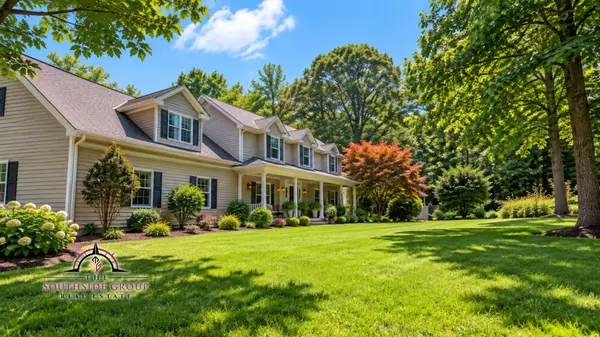

Personal Branding for Real Estate Agents: Weekly Plan
Building a recognizable personal brand in real estate does not require posting on social media every day, creating elaborate videos, or spending hours developing content. It requires something much more manageable: knowing what you want to be known for, sharing useful information consistently, and b
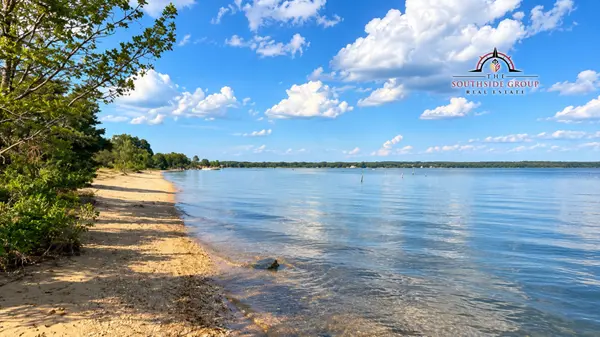
Golden Beach Real Estate Market Update | October 26, 2026
Golden Beach, Maryland, has a limited selection of homes currently available, but additional properties are expected to enter the market soon. This week's Golden Beach real estate market update highlights three active homes for sale, two coming-soon properties, and one home currently under contract.
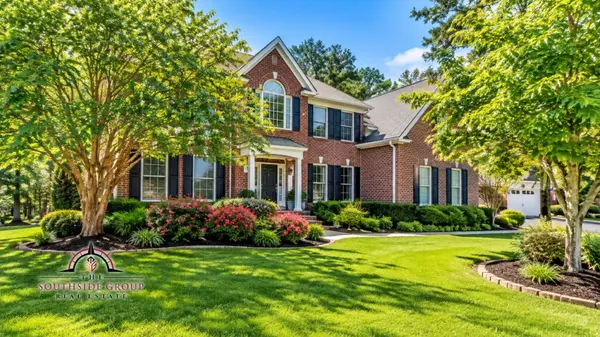
Southern Maryland Pest Control Tips for Homeowners
Southern Maryland Pest Control Tips: Protect Your Home Year-Round Owning a home in Southern Maryland means enjoying everything from wooded landscapes and waterfront communities to established neighborhoods and rural properties. But the same environment that makes the region appealing can also create