
Selling your home involves more than putting a sign in the yard and scheduling showings. From deciding which repairs matter to preparing for professional photography, the work you complete before listing can influence how buyers experience your property.
If you're planning to sell in St. Mary's, Calvert, or Charles County, having a Southern Maryland home selling checklist can help you stay organized, manage expenses, and avoid last-minute surprises.
The good news? You don't necessarily need months of renovations to get your house ready. With a practical 30-day plan, you can focus on improvements that make your home clean, functional, and appealing to potential buyers.
Here's how to approach each week.
Why a 30-Day Home Selling Checklist Matters in Southern Maryland
Southern Maryland includes a variety of properties, from established neighborhoods and newer subdivisions to rural homes and waterfront properties. Each comes with different maintenance considerations and selling priorities.
For example, preparing a home in Lexington Park may involve different property features and buyer considerations than preparing a waterfront property in Lusby or a home with acreage near La Plata.
A 30-day preparation schedule gives you time to evaluate your property's condition, prioritize improvements, arrange photography, and work with a local real estate professional on pricing and marketing.
The goal isn't to make your home look brand new. It's to present its existing features accurately and in the best practical condition.
Days 1–7: Evaluate Your Home and Create a Selling Plan 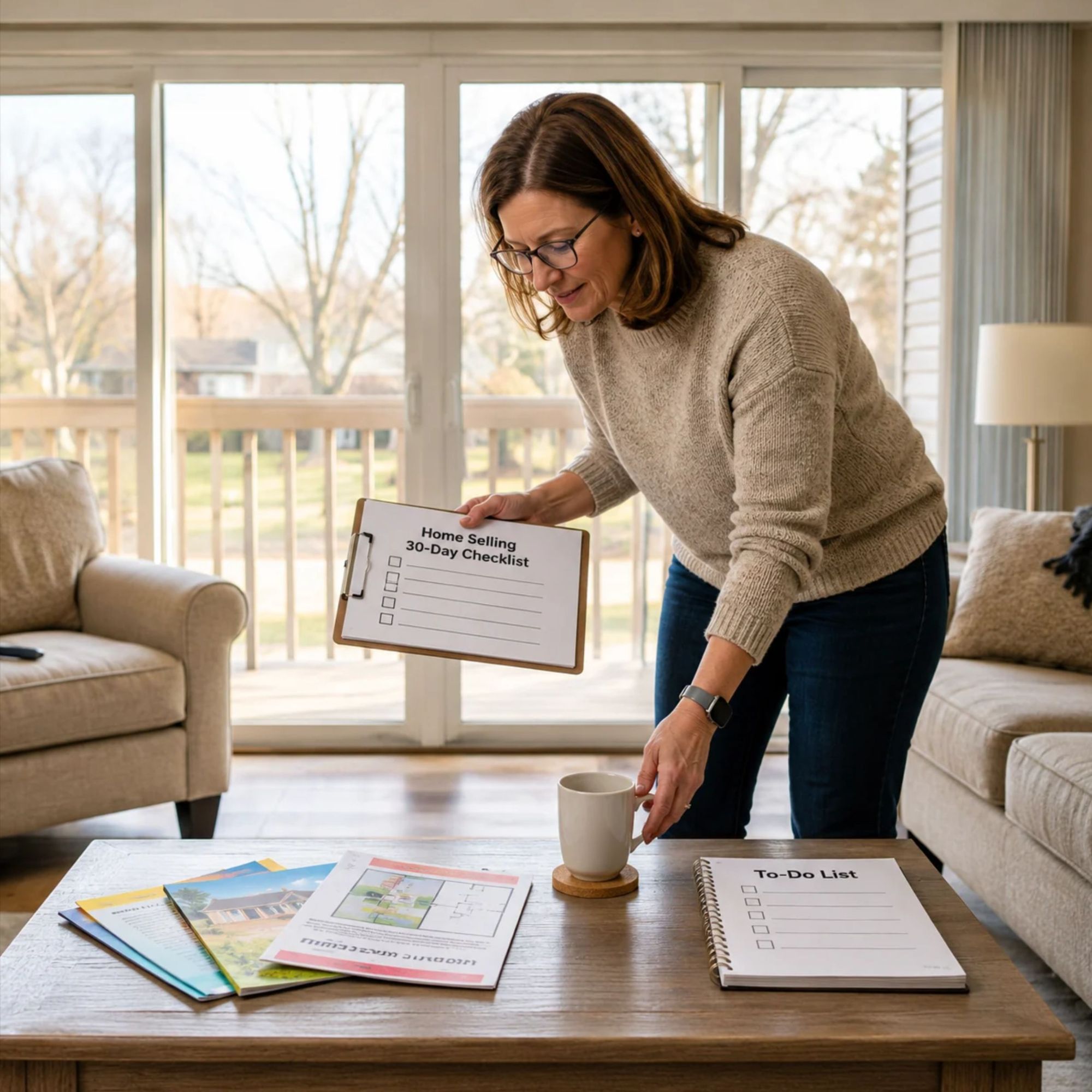
The first week is about making informed decisions before spending money.
Walk Through Your Home Like a Buyer
Start at the street and approach your home as someone seeing it for the first time.
Look for peeling paint, damaged trim, overgrown landscaping, worn flooring, dripping faucets, and other visible maintenance concerns.
Inside, pay attention to lighting, odors, doors that don't close properly, and areas that feel cluttered.
Create three categories for your findings: essential repairs, affordable cosmetic improvements, and optional upgrades. This makes it easier to prioritize work based on cost, available time, and potential buyer concerns.
Understand Your Home's Current Market Position
Before starting expensive projects, review your property's likely market position.
A local comparative market analysis can help you understand how your home compares with recently sold and currently listed properties of similar size, condition, location, and features.
Conditions can vary across St. Mary's, Calvert, and Charles Counties, so a broad regional average may not accurately represent your property.
You can begin with a free home valuation from The Southside Group Real Estate.
Establish Your Preparation Budget
Decide how much you can comfortably spend before listing.
Prioritize issues affecting functionality, visible condition, or the property's presentation. Avoid committing to major renovations without first discussing their likely value with a local real estate professional.
Gather available documents such as appliance warranties, repair receipts, permits, HOA information, and maintenance records. These may be useful during listing preparation and buyer due diligence.
Days 8–14: Declutter, Deep Clean, and Complete Essential Repairs 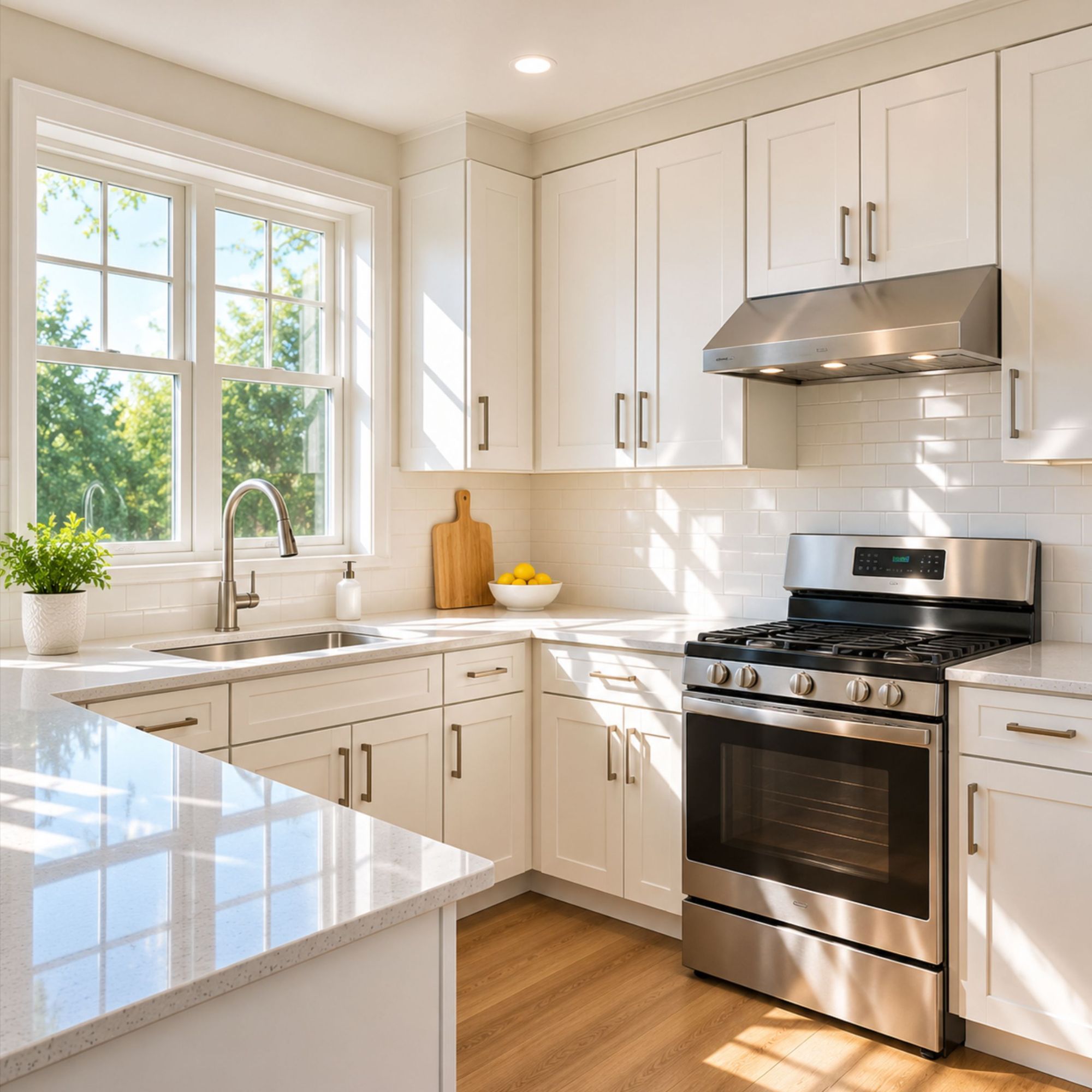
Once you have a plan, turn your attention to the areas buyers will see most.
Declutter Without Emptying Your Home
Start with countertops, shelves, closets, and storage spaces.
Pack seasonal belongings, remove excess furniture, and organize areas that may be photographed or viewed during showings.
You don't need to remove every personal item. The objective is to make rooms easy to navigate and allow their size, layout, and features to stand out.
Don't overlook garages, basements, utility rooms, and outdoor storage areas.
Deep Clean the Entire Property
A thorough cleaning can make a noticeable difference without requiring a major investment.
Focus on kitchens, bathrooms, flooring, baseboards, windows, light fixtures, vents, and frequently touched surfaces.
Pay attention to pet odors, moisture-related smells, and lingering cooking odors. Address the source rather than relying on strong fragrances.
For Southern Maryland properties with crawl spaces or basements, visible moisture issues deserve particular attention. If you discover a significant concern, consider having an appropriate professional evaluate it.
Complete Small Repairs
Replace burned-out bulbs, repair loose handles, fix dripping faucets, touch up damaged paint, and address minor maintenance items.
If you encounter electrical, plumbing, structural, or moisture problems beyond routine maintenance, use qualified professionals as appropriate.
Don't assume every upgrade will pay for itself. A functional, well-maintained home may be better served by targeted repairs than an expensive kitchen or bathroom renovation immediately before listing.
Days 15–21: Improve Curb Appeal and Stage Your Home 
By the third week, focus on how your home looks and feels both outside and inside.
Refresh Your Exterior
First impressions begin before buyers reach the front door.
Mow the lawn, trim shrubs, remove weeds, clear walkways, and clean the entrance. Depending on the season, remove fallen leaves, pollen buildup, or other debris.
Inspect exterior lighting, house numbers, railings, and visible trim.
If you have a deck, patio, porch, or fence, check its condition and address maintenance concerns.
For rural properties, make sure driveways, parking areas, and access points are reasonably maintained.
Waterfront properties may require additional attention to docks, shoreline structures, drainage, or other features. Where applicable, verify permits and use qualified professionals for specialized inspections or repairs.
Stage the Rooms That Matter Most
Staging doesn't always mean renting furniture or hiring a professional designer.
Often, rearranging existing furniture, reducing clutter, and improving lighting can make rooms easier to understand.
Start with the living room, primary bedroom, kitchen, and dining areas.
Arrange furniture to create clear walking paths, open curtains where appropriate, and use consistent lighting.
Neutral décor can help emphasize architectural features without distracting from the space itself.
According to the National Association of REALTORS®' 2025 Profile of Home Staging, many surveyed buyer's agents reported that staging helps buyers visualize a property as a future home.
That doesn't mean staging guarantees a higher sale price. It means presentation is worth considering as part of your overall marketing plan.
Days 22–26: Prepare for Professional Photos and Marketing 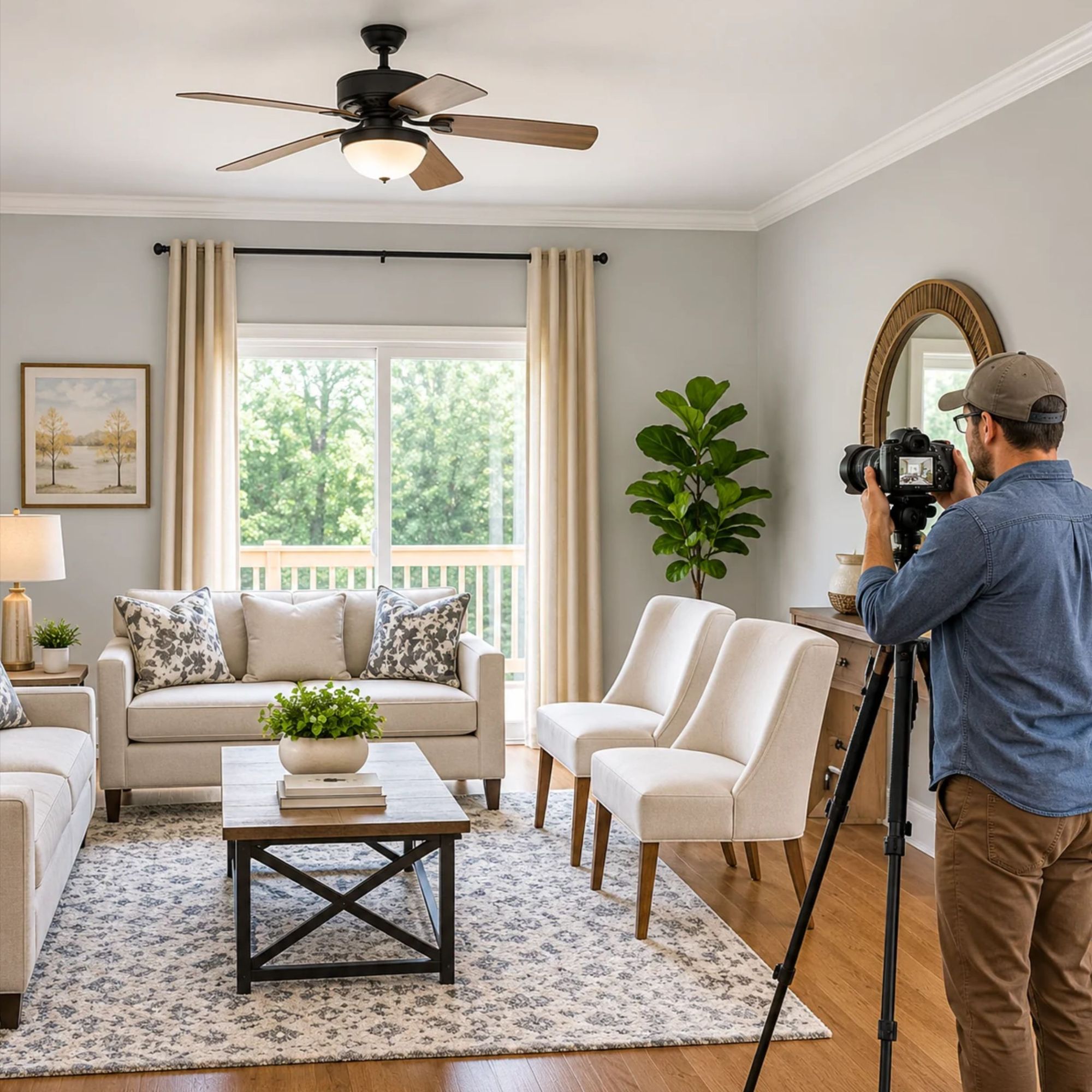
Your home's online presentation is an important part of the listing process.
Get Ready for Photography
Before the photographer arrives, remove unnecessary countertop items, straighten furniture, make beds, and check that lights work.
Put away cleaning supplies, trash cans where practical, and personal documents.
Review the exterior for vehicles or equipment that could distract from the property's features.
If your home includes a screened porch, finished basement, workshop, acreage, or other distinctive features, discuss which spaces should be photographed.
Professional photography should accurately represent the property. Avoid edits that misrepresent permanent features or conceal material conditions.
Develop a Pricing and Marketing Strategy
Pricing should reflect relevant comparable sales, competing listings, property condition, location, and current market conditions.
A home's asking price should not be determined solely by the amount spent on improvements or the owner's desired proceeds.
Work with your agent to review the listing description, confirm factual property details, and develop a marketing plan.
For homeowners selling near NAS Patuxent River, military relocation timelines may be relevant to transaction planning. However, don't assume every buyer has the same schedule or financing needs.
You can also review Southern Maryland seller resources to understand the broader selling process.
Days 27–30: Complete Your Final Pre-Listing Checklist
The final days should focus on accuracy, paperwork, and showing readiness rather than starting new projects.
Review Your Listing Details
Confirm the accuracy of the property's address, room information, features, square footage representation, included appliances, and other marketing details.
Review photographs and listing descriptions before publication.
If there are uncertainties about permits, property boundaries, or improvements, address them appropriately rather than making unsupported claims.
Prepare Required Disclosures
Maryland residential real estate transactions may involve disclosure or disclaimer requirements under Maryland law, including applicable exceptions.
Sellers should review the current requirements and appropriate forms before listing or entering into a contract.
Federal lead-based paint disclosure requirements may also apply to many residential properties built before 1978.
Because disclosure obligations depend on the transaction and property, consult your real estate professional and a qualified Maryland attorney when legal guidance is needed.
Establish a Showing Routine
Create a simple routine you can maintain while the home is listed.
Keep countertops clear, make beds, secure valuables and sensitive documents, and arrange a plan for pets during showings.
Discuss showing notice, access instructions, and scheduling preferences with your agent.
If you're still living in the property, the goal is a manageable routine, not maintaining a perfectly staged house every minute of the day.
Southern Maryland Home Selling Mistakes to Avoid
Even with a 30-day schedule, a few common decisions can create unnecessary expense or delays.
Spending too much on renovations. A large remodeling project may not produce a corresponding increase in sale price. Evaluate improvements against your property's condition and local comparable homes.
Ignoring exterior maintenance. Buyers may notice peeling trim, drainage concerns, damaged walkways, or neglected outdoor spaces before entering the home.
Pricing based on personal expectations. Sentimental value and renovation expenses do not necessarily translate into market value.
Waiting to address paperwork. Unresolved permit questions, missing HOA documents, or incomplete disclosures can complicate the transaction.
Rushing the listing launch. Publishing before photographs, descriptions, and essential preparation are complete can weaken the initial presentation.
Treating all Southern Maryland markets alike. Properties in Leonardtown may have different comparable sales and property characteristics than homes in Waldorf. Local pricing analysis matters.
A thoughtful preparation plan helps you avoid these issues while keeping your attention on the improvements that are most useful.
Your Home Doesn't Have to Be Perfect to Be Ready
Preparing your Southern Maryland home for sale in 30 days is a realistic planning framework for many properties, but the actual timeline depends on condition, contractor availability, documentation, and your personal circumstances.
Some homes may need only cleaning and minor repairs. Others may benefit from more time, particularly when significant maintenance or specialized inspections are involved.
The important thing is to establish priorities early, make informed decisions about spending, and coordinate your preparation with a clear pricing and marketing strategy.
Frequently Asked Questions About Selling Your Home in Southern Maryland
Can I realistically prepare my Southern Maryland home for sale in 30 days?
Yes, many homeowners can complete basic cleaning, decluttering, cosmetic improvements, and listing preparation within 30 days. Homes requiring extensive repairs, permits, or contractor work may need additional time.
What repairs should I prioritize before listing?
Start with known maintenance issues affecting functionality, safety, or visible condition. Examples include plumbing leaks, damaged fixtures, loose railings, and deteriorated trim. Evaluate larger repairs with qualified professionals and your real estate agent before committing to the expense.
Should I stage my home before selling?
Staging can help buyers understand a home's layout and features. It doesn't always require professional furniture rentals. Cleaning, decluttering, rearranging furniture, and improving lighting can be effective starting points.
What disclosures are required when selling a home in Maryland?
Maryland Real Property § 10-702 generally requires applicable residential sellers to provide a property condition disclosure or disclaimer statement, subject to statutory exceptions. A disclaimer does not eliminate the requirement to disclose known qualifying latent defects. Federal lead-based paint disclosures may also apply to most pre-1978 housing. Review the official requirements with a qualified professional.
Should I get a home valuation before making improvements?
Yes. A local comparative market analysis can help you understand your property's potential market position before deciding how much to spend on preparation. It is not a formal appraisal or a guarantee of the eventual selling price.
Thinking About Selling Your Southern Maryland Home?
Before investing in repairs or upgrades, it helps to understand how your home compares with other properties in your local market.
The Southside Group Real Estate helps homeowners throughout St. Mary's, Calvert, and Charles Counties evaluate their properties and prepare for the selling process.
Start by requesting a complimentary Southern Maryland home valuation to explore your home's potential market position and discuss which preparation steps may make sense for your property.
FROM OUR BLOG


PCS Moving Checklist: 90 Days Before Your Move to Maryland
PCS orders to Maryland? Whether you're transferring to Naval Air Station Patuxent River or another military assignment in the region, the weeks leading up to your move can get busy quickly. Between military paperwork, household goods shipments, travel arrangements, and finding a place to live, there

Calvert County Events This Weekend | November 26–29, 2026
Calvert County events this weekend bring Thanksgiving traditions, sparkling Christmas lights, waterfront celebrations, holiday shopping, and family-friendly activities together for an exciting start to the holiday season in Southern Maryland. Whether you're searching for things to do near you after

Country Lakes Real Estate Market Update | Nov. 26, 2026
If you've been following the Country Lakes Mechanicsville real estate market, you'll find a small selection of homes available as we approach December. With four homes actively listed for sale and two additional properties under contract, there is ongoing real estate activity in this St. Mary's Coun